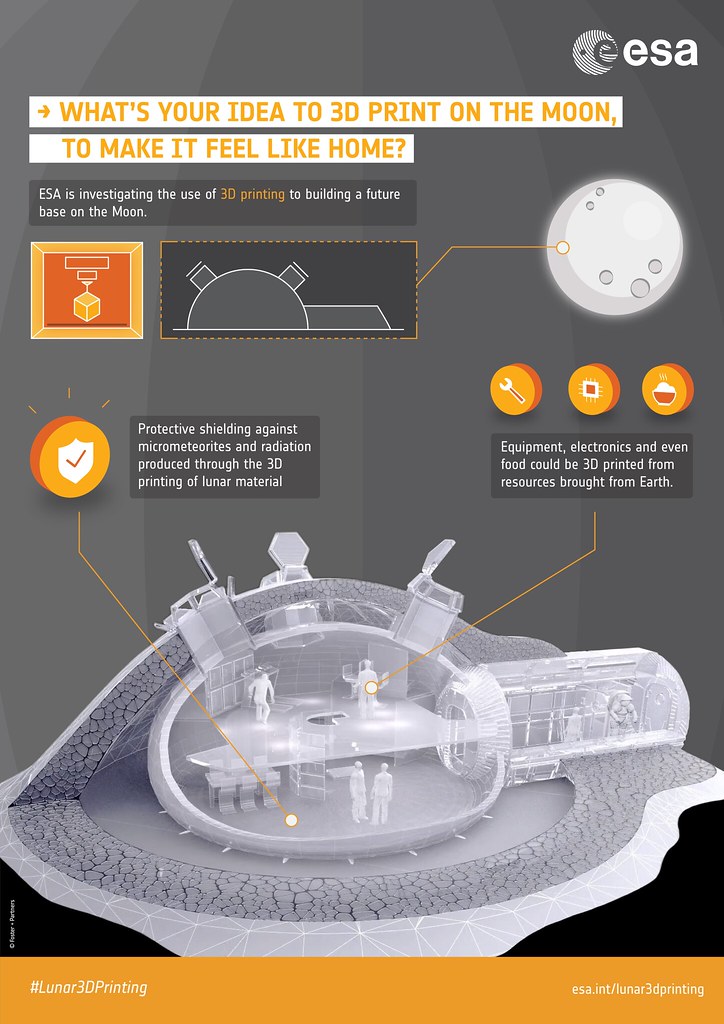
moon base construction is a priority for NASA as they aim to land astronauts on the Moon within two years. This ambitious plan echoes the urgency of the Apollo program.
NASA’s Vision for a Moon Base
NASA’s vision for a moon base is rapidly evolving as the agency embraces the urgency reminiscent of the Apollo program. With plans to establish a sustainable human presence on the lunar surface, the focus is on moon base construction as a critical step for future exploration. This initiative aims to create a platform for scientific research, commercial activities, and a launching point for missions to Mars.
Key objectives of the moon base project include:
- Developing technologies for living and working on the Moon.
- Conducting experiments that can only be performed in a low-gravity environment.
- Testing systems that will be essential for human missions to Mars.
NASA is also looking to collaborate with international partners and private companies to accelerate the construction process. The agency believes that a permanent presence on the Moon will foster innovation, inspire a new generation of scientists and engineers, and strengthen national and global partnerships in space exploration.
In this ambitious endeavor, NASA is not just building a moon base; it is laying the groundwork for humanity’s next giant leap into the cosmos.
The Importance of a Lunar Presence
The establishment of a lunar base is not just a technological endeavor; it holds significant strategic importance for NASA and humanity as a whole. A permanent presence on the Moon would serve as a critical stepping stone for further exploration of our solar system. This endeavor would allow for extensive scientific research, resource utilization, and the development of new technologies.
Moreover, a moon base construction initiative would enable NASA to:
- Conduct Scientific Research: The Moon offers unique opportunities to study its geology, potential water resources, and the effects of long-term space habitation on humans.
- Test Technologies: A lunar base would provide a platform to develop and test life-support systems and habitats that could be used on Mars and beyond.
- Enhance International Collaboration: Building a moon base could foster partnerships with other nations, promoting peaceful cooperation in space exploration.
The benefits of establishing a lunar presence extend beyond exploration; they encompass advancements in science, technology, and international relations, making moon base construction a vital step for NASA’s future.
Technological Innovations for Moon Construction
As NASA accelerates its plans for moon base construction, a range of technological innovations are emerging to support this ambitious endeavor. These advancements not only aim to enhance the efficiency of lunar operations but also ensure the sustainability of human presence on the Moon.
Key innovations include:
- 3D Printing Technology: Utilizing lunar regolith for constructing habitats and tools reduces the need to transport materials from Earth.
- Autonomous Robotics: Robots will play a crucial role in site preparation and resource extraction, minimizing human risk and optimizing labor.
- Advanced Life Support Systems: Developing systems that recycle air and water will be essential for long-term habitation.
- In-Situ Resource Utilization (ISRU): Harvesting resources from the Moon will enable astronauts to refuel and build without reliance on Earth supplies.
These technological strides not only pave the way for successful moon base construction but also solidify NASA’s commitment to a sustainable lunar presence. As the agency looks to the future, these innovations will be integral to achieving its goals in space exploration.
Challenges in Building a Moon Base
As NASA embarks on the ambitious project of moon base construction, several challenges must be addressed to ensure the success of this endeavor. These obstacles range from technical difficulties to logistical concerns that could impede progress.
- Resource Availability: One of the primary challenges is the limited availability of essential resources on the Moon. Extracting water and other materials will be crucial for sustaining life and supporting construction efforts.
- Radiation Exposure: The Moon’s lack of atmosphere exposes any base to harmful radiation. Developing effective shielding will be vital to protect astronauts working on the lunar surface.
- Extreme Temperatures: The Moon experiences drastic temperature variations, making it essential to create habitats that can withstand these extremes.
- Logistical Support: Establishing a continuous supply chain from Earth poses significant logistical challenges. Ensuring that necessary equipment and supplies are delivered in a timely manner will be critical for the project’s success.
- Human Factors: The psychological and physical well-being of astronauts must also be considered, as long-term stays on the Moon could lead to isolation and stress.
Addressing these challenges effectively will be key to making moon base construction a reality and advancing NASA’s vision for future lunar exploration.
Timeline for Astronauts on the Moon
The timeline for astronauts on the Moon has become a critical aspect of NASA’s renewed commitment to lunar exploration. With a goal to establish a moon base construction program, NASA aims to land astronauts on the lunar surface within the next two years. This ambitious timeline reflects the agency’s urgency to return to the Moon, reminiscent of the Apollo era.
Key milestones in the upcoming timeline include:
- 2024: Planned Artemis III mission to land astronauts near the lunar South Pole, marking the first crewed Moon landing since 1972.
- 2025: Initiation of lunar surface operations, focusing on exploring potential locations for a sustainable moon base.
- 2026-2028: Development and testing of lunar habitats and infrastructure necessary for long-term human presence.
- 2029: Anticipated establishment of a permanent lunar base, enabling further scientific research and exploration.
These timelines signify not just a return to the Moon, but a strategic move towards a sustained human presence that could serve as a stepping stone for future missions to Mars and beyond.
Funding and Resources for Moon Projects
As NASA ramps up its efforts in moon base construction, securing adequate funding and resources will be crucial. The agency has been vocal about its intent to prioritize lunar exploration, echoing the urgency of the Apollo program. This renewed focus highlights the need for both governmental and private sector investment to ensure the success of long-term lunar projects.
To support these ambitious plans, NASA is seeking funding through various channels, including:
- Federal Budget Allocations: Increased appropriations from Congress will be essential for mission planning and execution.
- Public-Private Partnerships: Collaborations with commercial space companies can provide both financial backing and innovative technologies.
- International Collaborations: Partnering with other nations can yield shared resources and expertise, maximizing the impact of investments.
Moreover, the agency is exploring innovative resource management strategies to utilize lunar materials, reducing the need for supplies launched from Earth. This approach will not only lower costs but also enhance sustainability. As NASA moves forward, the outcome of these funding strategies will play a pivotal role in the future of moon base construction and humanity’s presence on the lunar surface.
Comparing Apollo and Current Missions
The Apollo missions of the 1960s and 1970s showcased human ingenuity and determination, marking significant achievements in space exploration. However, the current missions aim to establish a long-term lunar presence through moon base construction, a venture that presents both challenges and opportunities.
When comparing the two eras, several key differences emerge:
- Goals: The Apollo program primarily focused on landing astronauts on the Moon and returning them safely to Earth, while today’s missions emphasize sustainability and scientific research.
- Technology: Advances in technology have transformed how NASA approaches lunar exploration. Modern tools and robotics enhance safety and efficiency in construction tasks.
- International Collaboration: Unlike the Apollo missions, which were largely a U.S. effort, current initiatives involve partnerships with international space agencies and private companies, fostering a shared vision for lunar exploration.
- Funding and Resources: The financial landscape has shifted, with discussions around sustainable funding models to support ongoing moon base construction and related projects.
Ultimately, the evolution from Apollo to current missions reflects a broader understanding of the Moon’s potential as a stepping stone for future exploration.
Future of Space Exploration Beyond the Moon
The future of space exploration extends far beyond the Moon, with ambitious plans that could redefine humanity’s presence in the cosmos. As NASA focuses on moon base construction, the next steps involve venturing to Mars and potentially beyond, aiming to establish a sustainable human presence on other celestial bodies.
With the advancements in technology and international collaboration, the goals for interplanetary travel are becoming more achievable. Upcoming missions will explore:
- Mars Colonization: Developing habitats that can support human life on the Red Planet.
- Asteroid Mining: Harnessing resources from asteroids to support deep space missions.
- Space Tourism: Creating opportunities for civilians to experience space travel.
- Interstellar Research: Investigating the potential for life on exoplanets.
As these plans unfold, the experience gained from moon base construction will serve as a vital foundation. Each successful mission to the Moon not only paves the way for future exploration but also helps answer critical questions about sustainability, resource utilization, and the overall viability of human life beyond Earth.
By europeanspaceagency via Openverse